| Human capacity building of management of chemical waste 2025-2026 Technical Expert “Key Expert 2” of the EU Global Threats Programme, CBRN (chemical biological radiological and nuclear) Centre of Excellence, Project P111: « Strengthening (human) Management of Chemical Waste in East and Central Africa » in 11 countries (Burundi, Democratic Republic of the Congo, Ethiopia, Ghana, Kenya, Malawi, Rwanda, Seychelles, Tanzania, Uganda, Zambia) https://global-threats.europa.eu/our-projects/project-111-strengthening-management-chemical-waste-east-and-central-africa_en Inception, fact-findings missions, selection of international and national experts, assessment of the existing legal framework in the 11 countries, shaping of digital tools and train-the-trainers sessions. I submitted several concrete proposals: Model Legislation: Developing a core template first, then tailoring it locally—a top-down approach rather than 11 parallel, unfeasible bottom-up processes. Multi-Country Working Groups: Pooling expertise across borders to overcome national shortages of technical experts. Digital Platforms: Leveraging the established Citrus e-learning platform (already proven in other CBRN projects). This offers reusable modules and personalized learning paths with step-by-step assessments—reaching thousands across public institutions, municipalities, and the private/informal sectors, rather than limiting impact to small meetings of 20 civil servants without lasting tools. Communication & Infrastructure: Setting up a dedicated website, document repository, and professional collateral. Targeted Expertise: Assigning one specialized international expert per work package. Train-the-Trainers: Scaling impact by training cohorts of 15 trainers per topic rather than single individuals. Tailored Country Continuum: Creating a logical flow from hazardous waste classification (WP1) to legislative needs (WP2) and operational management (WP4). Resource Efficiency: Utilizing established technical documents from UNEP and recognized waste management associations to mitigate budget limits. Execution: Proposing starting activities September 1st , 2026. NEXT: Looking ahead, future project(s) should focus on assisting each country in initiating the development of its physical and operational infrastructure of chemical and biological hazardous waste management. |
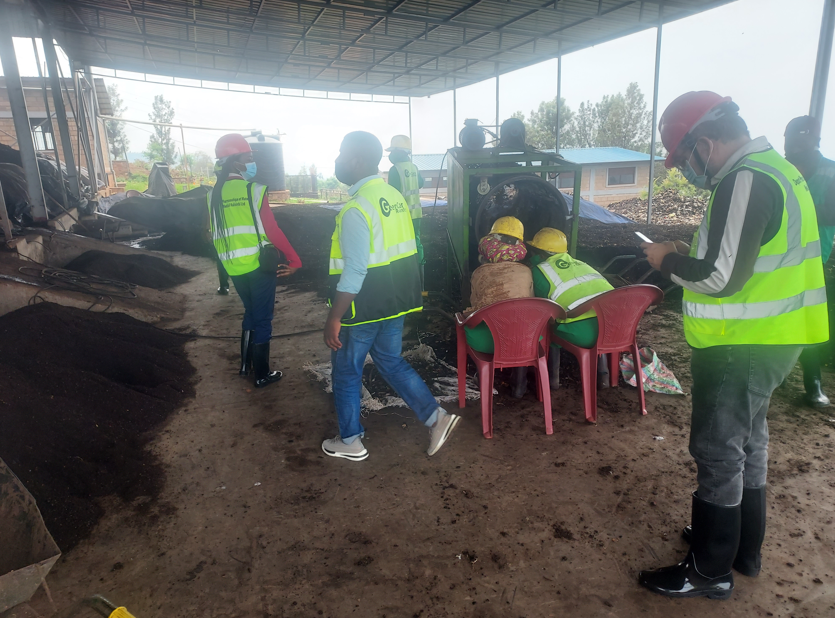
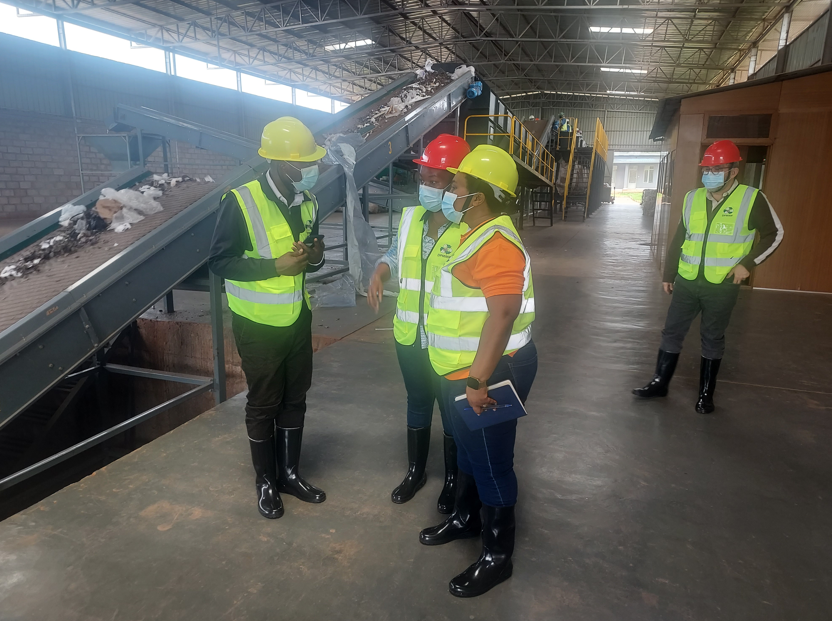
Rwanda, upper picture: artisanal compost facility from unsorted market waste, lower picture: modern sorting center for separatedly collected packaging waste from airport and commercial centre